Exploring the Augmented Reality Landscape
A Journey into Immersive Human-Centered Experiences
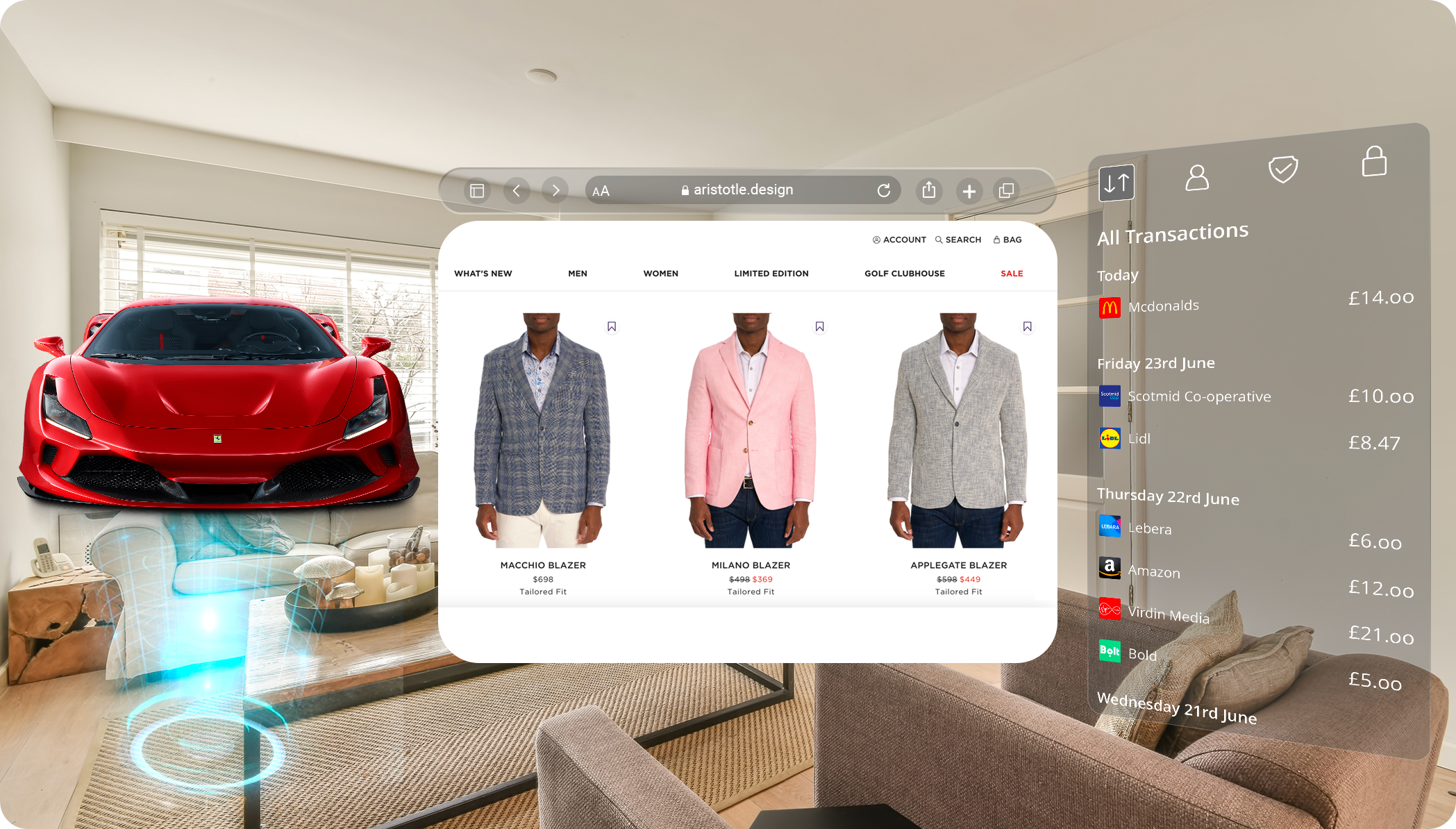
Embark on a captivating journey as I delve into the world of Augmented Reality (AR), fueled by my unwavering curiosity and self-directed research. In this groundbreaking project, I meticulously explore the realms of AR, leveraging the powerful Unity and Vuforia engines to create a truly immersive experience.
Witness firsthand how AR seamlessly integrates digital content into our physical environment, revolutionizing the way we interact with technology. By anticipating the design experience of tomorrow, I am paving the way to become future-ready, embracing the transformative potential of AR in the realm of business and beyond.
Prepare to be amazed as I unravel the intricate layers of AR, providing insightful analysis and sharing invaluable lessons learned throughout my arduous yet rewarding journey. Join me as we unlock the possibilities of AR and unlock a new era of innovation and limitless potential.
Crafting Immersive and User-Centric Experiences
In this research post, I will delve into my personal journey of Augmented Reality (AR) research and development, exploring various aspects of creating immersive and user-centric experiences. Combining technology and business vocabulary, I will discuss the importance of windows, sizing, points, human-centered design principles, the immersive nature of AR, and UI foundations.
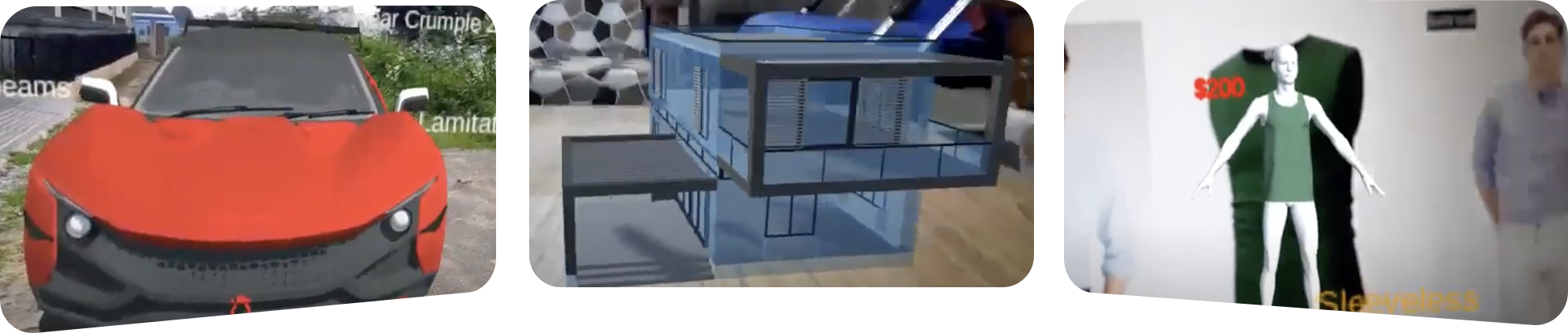
Learn how immersive AR experiences extend beyond a window and transform the world around users. Discover the immersion spectrum and its role in offering flexible transitions between different states of immersion. Understand the importance of designing flexible experiences that adapt to various environments and focus users' attention on the most relevant parts of the experience.
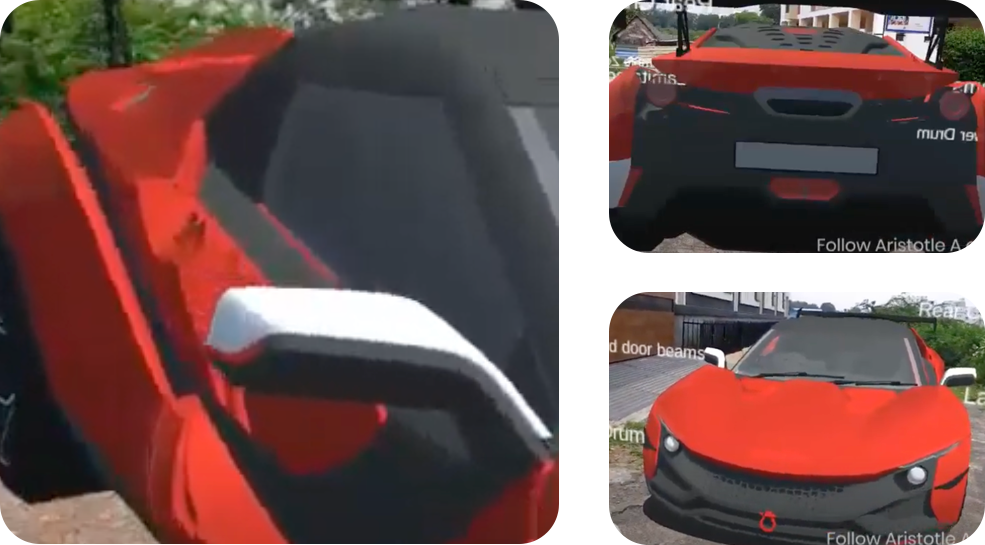
Uncover the impact of field of view on user experiences, as users engage with AR through their own perspective. Delve into the concept of ergonomics, considering how content placement affects physical reactions. Discuss the importance of minimizing movement in stationary experiences while accommodating users who may get up and move around. Explore dimensions like space, depth, and scale and how they shape the user experience.
Understand how windows provide users with awareness of their surroundings and adapt to different lighting conditions. Discover the significance of sizing, ensuring objects and content fit comfortably within users' view and can stretch to accommodate any size. Explore the flexibility and dynamism of AR apps, allowing them to change their size based on context.
Emphasize the significance of leveraging the unique capabilities of AR devices to create authentic experiences. Avoid treating AR as a quick, fleeting interaction and instead focus on creating rich, immersive experiences that utilize users' physical space. Identify key movements that can only be experienced spatially and integrate familiar navigation to enhance usability.

Explore essential elements such as app icons, typography, material design, vibrancy, and colors in AR interfaces. Discuss the importance of layout considerations that prioritize ergonomics, sizing, and focus feedback.
Examine effective methods for interacting with UI elements, emphasizing comfort, ease of use, responsiveness, and intentionality. Incorporate familiar hand gestures and eye directions to enhance user interactions. Provide clear and meaningful feedback to users to indicate different interaction states.
By applying these principles and insights, we can create exceptional AR experiences that are immersive, user-centered, and leverage the full potential of the technology. Augmented Reality holds immense promise for transforming various industries and revolutionizing the way we interact with digital content in the physical world.
